Source Custom Dungeons and Dragons Game Dice for RPGs
Compare 30 listings for custom dungeons and dragons game dice made from acrylic or poly resin. Buyers can select from hexahedron, octahedron, and icosahedron shapes with CE and ASTM certifications for educational or party use; compare the available evidence and request quotations based on your requirements.
Key considerations
Products List


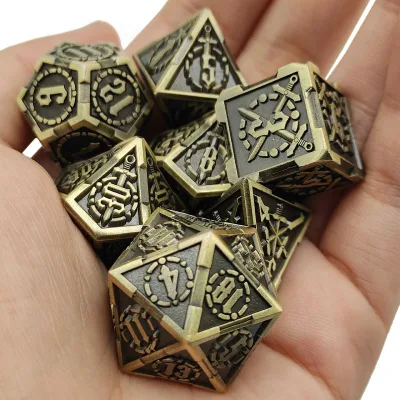
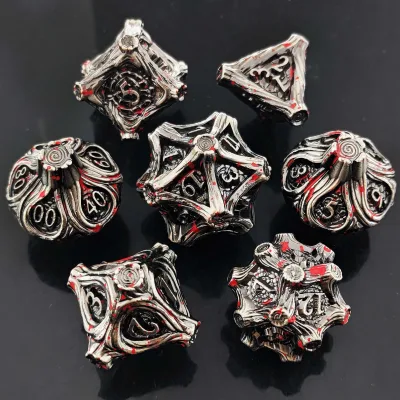

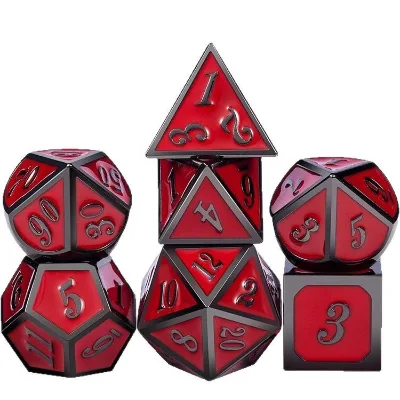
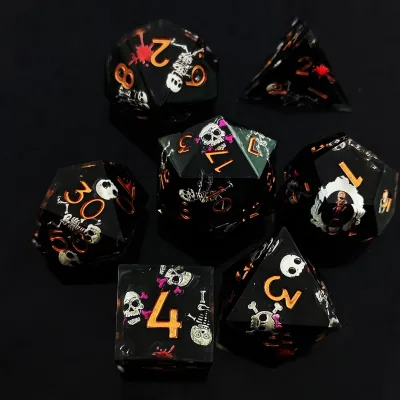


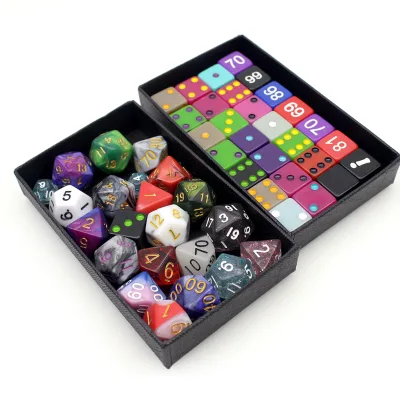

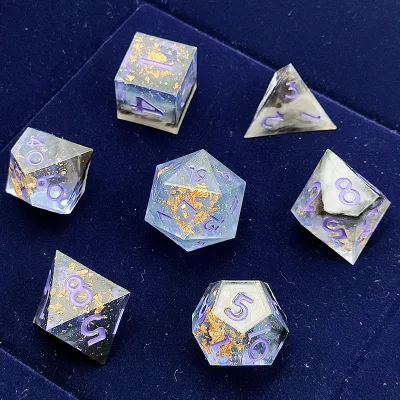
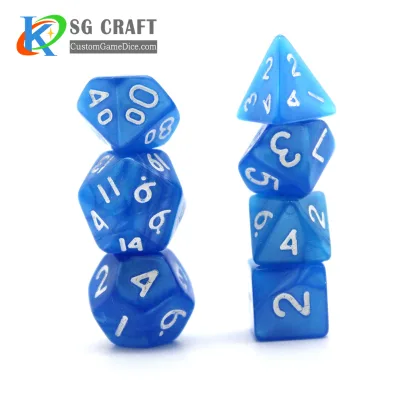
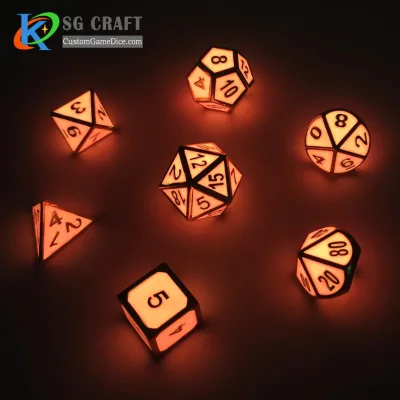


Comprehensive Sourcing Guide
Custom Dungeons and Dragons Game Dice Sourcing Guide
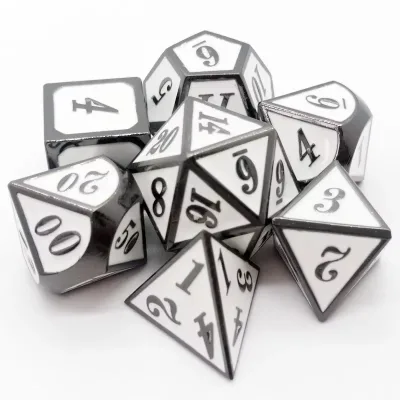
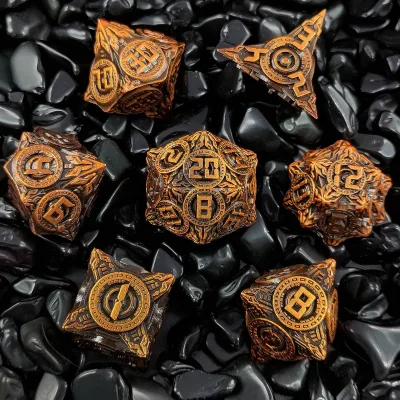
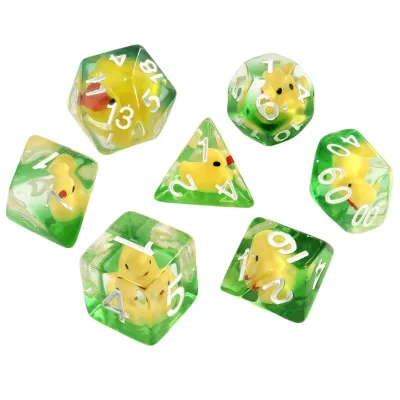
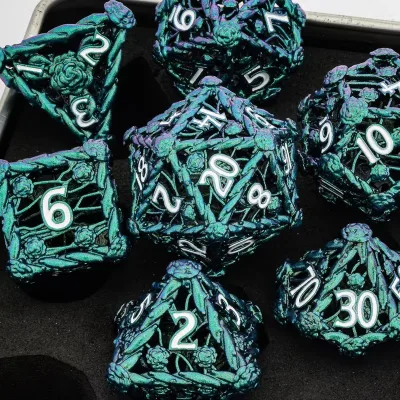
Sourcing custom Dungeons and Dragons game dice requires a strategic approach that balances aesthetic customization with functional reliability. Buyers must navigate a market where materials range from standard plastics to premium acrylics and poly resins, each offering distinct tactile and visual properties. The observed product landscape includes various shapes such as octahedrons, hexahedrons, and icosahedrons, catering to the diverse needs of tabletop gaming communities. Understanding these material distinctions is crucial for selecting dice that meet specific brand identity goals while ensuring durability during intense gameplay sessions.
Procurement teams should also consider the educational and recreational applications of these items, as they often serve dual purposes in gaming and learning environments. The availability of customization options allows for unique branding, including mixed colors, marble effects, and specific dot styles. However, buyers must verify that these aesthetic choices do not compromise the legibility of the numbers or the balance of the dice. Establishing clear specifications early in the sourcing process helps prevent misunderstandings and ensures that the final product aligns with both marketing expectations and user experience standards.
Product Scope and Observed Listing Signals
The current market for custom D&D dice exhibits a wide range of product attributes, including various shapes like hexahedrons and icosahedrons, which are essential for different dice rolls in gameplay. Listings often highlight specific styles such as 16mm D6 dot dice or acrylic materials with mixed colors, indicating a strong demand for visual variety. Buyers should note that some products are marketed with keywords like "Custom Gemstone Dice" or "Printed Dice," suggesting diverse manufacturing techniques. These signals help identify suppliers capable of producing specialized designs, but they also require careful verification to ensure the actual product matches the described aesthetic and functional qualities.
Additionally, the observed product scope includes items labeled as educational toys or DIY kits, which may appeal to broader markets beyond traditional gaming. Attributes such as "Unisex" and "All Ages" suggest a versatile target audience, while specific age ranges like "14 Years & Up" or "8 Years" indicate varying complexity levels. Procurement teams must assess whether these classifications align with their target demographic. The presence of expansion packs and intermediate difficulty levels further suggests that some products are designed for progressive engagement. Understanding these nuances helps in selecting products that not only meet functional requirements but also resonate with the intended user base.
Technical Specifications to Verify
When evaluating technical specifications, buyers must prioritize the material composition, which often includes acrylic or poly resin options. These materials offer different levels of clarity, weight, and durability, directly impacting the user experience. It is essential to verify the exact plastic type and finish, as variations can affect the dice's roll consistency and visual appeal. Additionally, the item shape, whether octahedron, hexahedron, or icosahedron, must be confirmed to ensure compatibility with standard D&D gameplay rules. Buyers should request samples to assess the tactile feel and visual quality, ensuring that the chosen material meets both aesthetic and functional standards.
Dimensional accuracy and printing quality are also critical technical factors that require rigorous verification. The standard size range of 10-30mm allows for flexibility, but consistency across a set is vital for fair gameplay. Buyers should confirm that the dot styles and number placements are precise and legible, especially for smaller dice. Furthermore, the crafting method, such as carved or molded techniques, can influence the final product's durability and appearance. Establishing clear tolerances for size and weight helps prevent issues with dice balance, ensuring that each roll is unbiased and reliable for players.
Compliance and Safety Documentation
Compliance with international safety standards is non-negotiable for toy and game accessories, particularly those intended for younger audiences. Buyers must verify that suppliers hold valid certifications such as CE, EN71, and ASTM F963-96A, which indicate adherence to rigorous safety protocols. These certifications ensure that the materials used are non-toxic and that the products meet specific mechanical and physical safety requirements. Procurement teams should request up-to-date test reports and certification documents to confirm that the products comply with the regulations of their target markets, thereby mitigating legal and reputational risks associated with non-compliant goods.
In addition to certifications, buyers should assess the supplier's quality control processes and documentation practices. Clear labeling and packaging instructions are essential for maintaining product integrity and providing users with necessary safety information. The condition of the product, typically new, should be verified to ensure that no defects or damages have occurred during manufacturing or shipping. Furthermore, understanding the teaching mode and instructions provided with the product can enhance user satisfaction and reduce the likelihood of misuse. Ensuring that all compliance documentation is complete and accurate is a critical step in the sourcing process.
Cost Drivers and Commercial Terms
Several factors influence the cost of custom D&D dice, including material selection, customization complexity, and order volume. Premium materials like acrylic or poly resin typically command higher prices due to their superior quality and aesthetic appeal. Customization options, such as mixed colors, marble effects, or specific branding, can also increase production costs. Buyers should negotiate clear pricing structures that account for these variables, ensuring that the final cost aligns with their budget constraints. Understanding the cost drivers helps in making informed decisions about material choices and design elements that offer the best value for money.
Commercial terms, including minimum order quantities (MOQ) and lead times, are also significant considerations in the procurement process. Observed MOQ ranges vary widely, from small batches to large volumes, allowing for flexibility based on demand forecasts. Lead times, typically around 30 days, should be factored into production planning to avoid delays. Buyers should establish clear agreements on payment terms, shipping responsibilities, and return policies to protect their interests. Transparent communication regarding these commercial terms helps build a strong partnership with suppliers and ensures a smooth procurement experience.
Supplier Qualification and Quality Control
Supplier qualification is a critical step in ensuring the reliability and consistency of custom D&D dice. Buyers should assess the supplier's manufacturing capabilities, including their experience with various materials and customization techniques. Verifying the supplier's track record and client references can provide insights into their quality standards and customer service. Additionally, evaluating their quality control processes, such as inspection protocols and defect management systems, is essential to ensure that the products meet specified requirements. A robust supplier qualification process helps mitigate risks and ensures a steady supply of high-quality dice.
Quality control measures should be implemented throughout the production process to maintain consistency and address any issues promptly. Buyers should establish clear quality benchmarks and conduct regular audits to verify compliance. Sampling and testing procedures, including roll tests for balance and legibility checks, are vital for ensuring product performance. Furthermore, establishing a feedback loop with the supplier allows for continuous improvement and adaptation to changing market demands. By prioritizing supplier qualification and rigorous quality control, buyers can secure a reliable supply chain that delivers consistent, high-quality custom dice.
Long-Term Procurement Checks
Long-term procurement success depends on establishing ongoing relationships with suppliers and continuously monitoring performance. Buyers should conduct regular reviews of supplier quality, delivery times, and customer satisfaction to identify areas for improvement. Maintaining open communication channels allows for timely resolution of issues and fosters a collaborative partnership. Additionally, staying informed about market trends and technological advancements in dice manufacturing can help buyers stay competitive and meet evolving customer expectations. Proactive management of supplier relationships ensures a stable and efficient supply chain over time.
Furthermore, buyers should periodically reassess their product specifications and customization options to align with changing market demands. This may involve exploring new materials, designs, or features that enhance the user experience. Regularly updating quality control standards and compliance requirements ensures that products remain relevant and safe. By implementing a structured approach to long-term procurement checks, buyers can maintain high standards of quality and service, ultimately driving business growth and customer loyalty in the competitive D&D dice market.
FAQs
What materials are used for custom D&D dice?
The dice are crafted from high-quality plastic, specifically acrylic or poly resin. Acrylic options offer a transparent finish, while poly resin provides a marble-like appearance. These materials ensure durability and a premium feel for tabletop gaming sessions.
Can I customize the color and style of the dice?
Yes, customization is available for both color and style. Buyers can choose single colors, mixed colors, or transparent finishes. Styles include 16mm D6 dot dice, octahedron, hexahedron, or icosahedron shapes, allowing for tailored designs that match specific game themes.
What certifications do these custom dice meet?
The products hold CE, En71, and ASTM F963-96A certifications. These standards ensure safety and quality for educational toys and games. Compliance with these regulations makes the dice suitable for international markets and ensures they meet strict safety requirements for all ages.
What is the typical lead time for orders?
The standard lead time is approximately 30 days. This duration allows for proper manufacturing and quality control processes. Buyers should plan their procurement schedules accordingly to ensure timely delivery for events or inventory replenishment needs.
What packaging options are provided for the dice?
Packaging includes plastic bags, setup boxes, or outer cartons. Customized packaging is also available to meet specific branding or logistical requirements. This flexible approach ensures safe transport and professional presentation for both bulk orders and individual retail needs.
Are these dice suitable for educational purposes?
Yes, they are classified as educational toys with an intermediate difficulty level. Designed for ages 8 and up, they support learning through play. The inclusion of instructions and their use in chess-and-card rooms highlights their versatility for strategic thinking and group activities.